The Misdiagnosis Trap: How to Detect and Fix Damp Problems in Old Walls
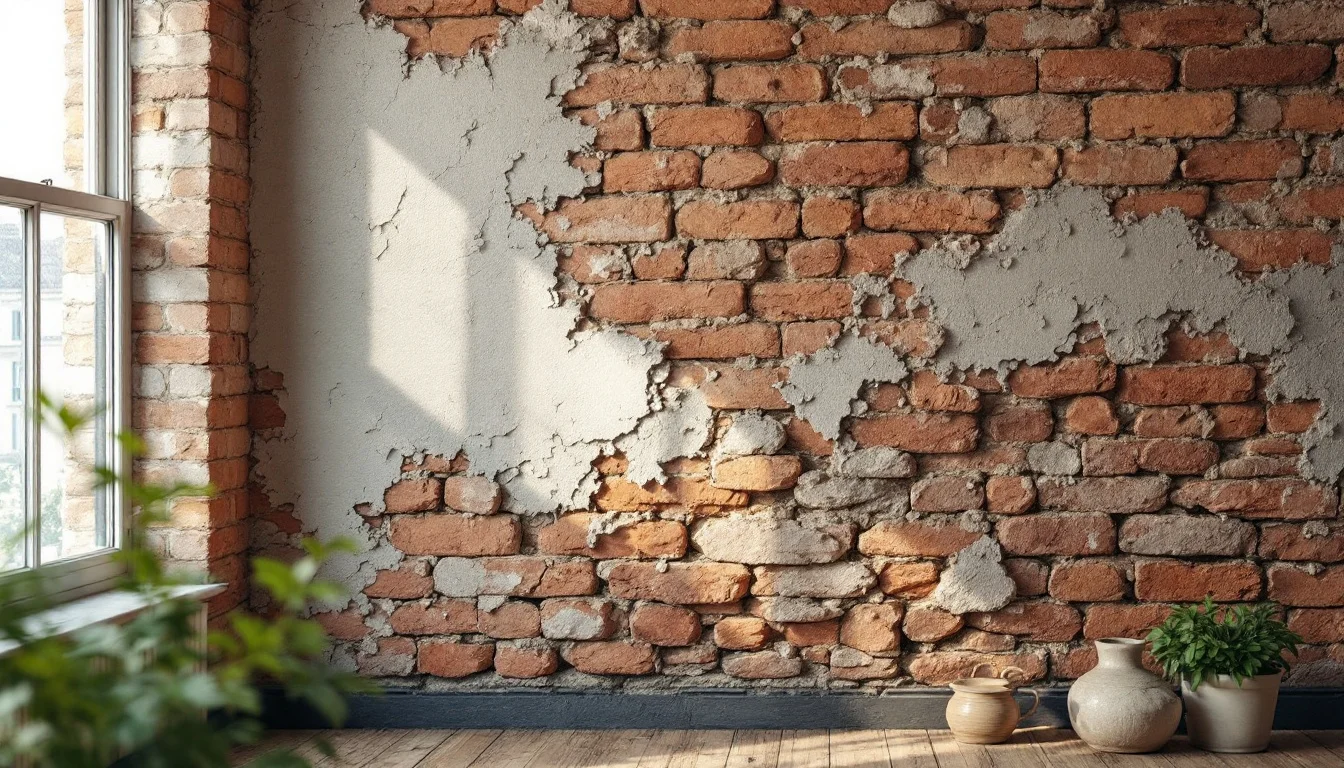
A dark patch on a living room wall or peeling plaster near a skirting board often triggers immediate panic for property owners. The instinct is to assume a catastrophic failure of the building's fabric, prompting calls for heavy construction work and chemical treatments. However, jumping to this conclusion often leads straight into the misdiagnosis trap. The wrong diagnosis of a damp issue could lead to unnecessary expense, as highly localised moisture is frequently mistaken for widespread structural decay.
Navigating this diagnostic process requires separating cosmetic surface symptoms from true capillary action. For property owners, learning to read the distinct visual patterns of moisture is the first defence against paying for invasive treatments that fail to address the root cause. If the symptoms persist after initial triage, they should be assessed by a trusted Property Care Association-approved damp control specialist to ensure money goes to the right repair rather than misidentified lifestyle issues. To provide clear parameters, current UK structural guidance is used here as a benchmark, alongside specific practical examples from the Spanish market.
Key Takeaways
- Condensation over structure: Indoor moisture is frequently misidentified as building failure, though it is the most widespread damp issue found in properties.
- Visual triage dictates treatment: Correctly identifying symptoms like water droplets versus floor-upward stains determines whether a fix requires simple ventilation or heavy construction.
- General surveys are limited: Standard property inspections flag symptoms but rarely identify root causes, requiring focused dampness surveys for proper diagnosis.
- Cost disparity: Resolving lifestyle moisture costs little compared with structural works. For instance, installing an extractor fan might cost around GBP 500, whereas structural interventions require significantly more capital.
Is It Lifestyle Condensation or Structural Failure?
The assumption that damp walls invariably point to failing bricks or groundwater penetration is a costly misconception. In reality, the built environment is rarely the primary culprit. According to building research organisations, condensation is described as the single most common type of damp found in homes. The moisture trapped inside older properties is largely a byproduct of modern living—generated by cooking, washing, and heating—clashing with building fabrics that were originally designed to breathe.
The Shower Tap Illusion
To understand how easily indoor moisture is misattributed to structural decay, consider an illustrative case reported by a local specialist in the Alicante/Murcia area. A homeowner was dealing with significant humidity and peeling plaster on a living room wall. Visually, the damage closely mimicked the hallmarks of structural rising damp, suggesting the need for invasive wall treatments.
However, after a visit, the humidity was traced to a shower tap located on the other side of the wall. The localised interior plumbing leak was masquerading as a systemic building failure. The resolution required zero chemical injections or structural damp proofing. Instead, the plaster of the living room wall was repaired and the bathroom extractor was replaced with a new one including a humidity sensor (installing a good quality extractor fan as part of fixing condensation may cost GBP 500+ according to Homeowners Alliance estimates). This case illustrates why property owners must critically evaluate internal water sources and lifestyle factors before commissioning heavy masonry work.
What Does Each Type of Damp Look Like?
Determining whether indoor moisture can be repaired without construction work depends entirely on the type. Condensation-related moisture is fundamentally resolved by improving ventilation; moisture-resistant paint is a follow-up measure applied after the root cause is fixed, not a cure in itself. Meanwhile, capillary action and water seepage typically require more technical treatments such as chemical injections or waterproofing. To avoid unnecessary expense, homeowners can use a symptom-to-source diagnostic matrix to evaluate the physical evidence left on the building fabric.
Symptom-to-Source Diagnostic Matrix
| Damp Classification | Visual Signature | Root Cause | Requires Construction Work? |
|---|---|---|---|
| Condensation | Water droplets, mould in corners, or diffuse stains | High indoor humidity (especially in bathrooms and kitchens) | No (resolved via ventilation and cosmetic paint repair) |
| Penetrating Damp | Localised dark stains | Water seepage coinciding with rain or exterior defects | Yes (waterproofing and exterior defect repair) |
| Rising Damp | Stains starting from the floor and going up the walls, peeling paint or plaster at base | Capillary action drawing groundwater upwards | Yes (chemical injections or physical damp proof course) |
Differentiating the Evidence
It is crucial to know how to distinguish the two most commonly confused damp causes: condensation and water seepage. Condensation usually appears as water droplets, mould in corners, or diffuse stains, especially in bathrooms and kitchens where steam is generated. Because the moisture originates from the indoor air, it settles on the coldest surfaces regardless of the weather outside.
Conversely, water seepage causes more localised dark stains and often coincides with rain or defects in the exterior waterproofing. The timing of the damp patch's appearance is a primary diagnostic clue. Reading these visual symptoms correctly allows a property owner to triage the issue before calling in specialist contractors.
Why Do General Inspections Fall Short for Damp Diagnosis?
When purchasing an older property or assessing long-standing moisture issues, owners often rely on general building surveys to catalogue defects. While useful for broader assessments, these standard reports are structurally inadequate for diagnosing complex damp mechanisms.
Looking at current UK inspection standards as a benchmark for rigour reveals the limitations of general reporting. A modern RICS Home Survey Level 2 (previously called a Homebuyer survey) or a RICS Level 3 Building Survey will flag signs of damp, but surveyors do not usually investigate the root cause in detail. They are trained to identify the symptom—such as high moisture meter readings on a plaster wall—but not to trace the localised plumbing leak or the specific ventilation failure driving it. Consequently, if damp is identified, the survey often recommends a further specialist damp survey.
The Role of Focused Diagnostics
A damp survey (dampness survey) is a focused inspection designed to diagnose the cause of moisture problems, not just confirm that damp is present. This targeted approach prevents misdirected repairs by mapping the exact water pathway. It investigates the source of moisture, the type of damp (condensation, rising or penetrating), whether structural timbers are affected, and whether remedial treatment is genuinely required. By demanding this level of diagnostic depth, owners can definitively separate superficial condensation from severe capillary action.
What Are the Steps from Low-Cost Fixes to Structural Cures?
Because the financial disparity between lifestyle adjustments and structural construction is vast, interventions should always follow a strict escalation path. Attempting to solve a ventilation issue with chemical damp proofing will leave the property owner poorer while the condensation persists.
Level 1: Zero-Cost Behavioural Adjustments
Damp is often caused by poor ventilation and heating, in which case it is easy to solve. Managing indoor climate requires specific daily routines to expel moisture before it settles. Recommended habits include opening the bedroom window for at least 15 minutes in the morning, and opening the bathroom window after a shower during the winter months.
Heating choices also play a critical role. Property owners must be wary about gas estufas (gas heaters), as these contribute to humidity problems by releasing water vapour directly into the living space. For passive intervention, small passive dehumidifiers are available in hardware stores and larger supermarkets on the Costa Blanca such as Carrefour; these are small plastic boxes containing a special material, typically calcium chloride, that absorbs water from the air. Alternatively, an electric dehumidifier can typically extract between 10 and 20 litres of moisture from the atmosphere a day.
Level 2: Exterior Defect Rectification
If the damp is localised and coincides with weather events, the focus must shift to the building envelope. Penetrating damp is normally the result of external defects on the home that allow water to enter the building fabric. Typical defects include:
- Defective roof coverings
- Poorly maintained rainwater systems, gutters, drains and downpipes
- External vegetation affecting the rainwater system and wall surfaces
- Cracked or defective render or other external coatings
- Tired mortar joints and defective pointing
- Broken masonry or permeable brickwork or stone
- Defective seals around windows and doors
Level 3: Structural Intervention
Only when a specialist survey confirms groundwater capillary action should owners escalate to invasive treatments. These structural cures represent a significant capital outlay. As a comparative benchmark to illustrate the magnitude of these interventions, a rough guide from the Homeowners Alliance for the installation of a remedial damp proof course and associated plaster works for a flat 5m wall typically ranges between GBP 2,000 and GBP 4,000, varying with the construction of the property and accessibility.
FAQ: What Are Immediate Interventions for Damp Walls?
What should I do if my windows are covered in moisture every morning?
If there is condensation on the windows, wipe them dry first. Removing this pooled water physically prevents it from evaporating back into the room's air or running down to rot wooden window frames.Can I just wipe the black mould off my bedroom wall with a cloth?
No. If there is mould, it is important not to wipe it as it will spread. Instead, you can spray surface spores with a diluted bleach solution (typically one part bleach to ten parts water), but this requires safe practice: ventilate the room, wear gloves and eye protection, never mix the bleach with other cleaners, and test it on a hidden area first. Note that bleach does not treat the underlying cause of the damp. Furthermore, for porous plaster, you should use a purpose-made mould remover instead, as bleach may not penetrate deeply enough to kill mould growth within the material. Wiping dry mould spores simply disperses them into the indoor air, allowing them to colonise other damp areas of the property and exacerbating the original issue.Conclusion: How Can You Proactively Control Moisture?
Instead of treating every dark stain as an immediate structural crisis, property owners can use targeted diagnostics and automated ventilation. Installing localised hardware equipped with smart humidity sensors can help bring moisture peaks under control at the source, reducing the triggers of condensation long before they manifest on the plaster.