Passive Cooling Techniques for Spanish Homes: A Step-by-Step Guide to Beating the Heat
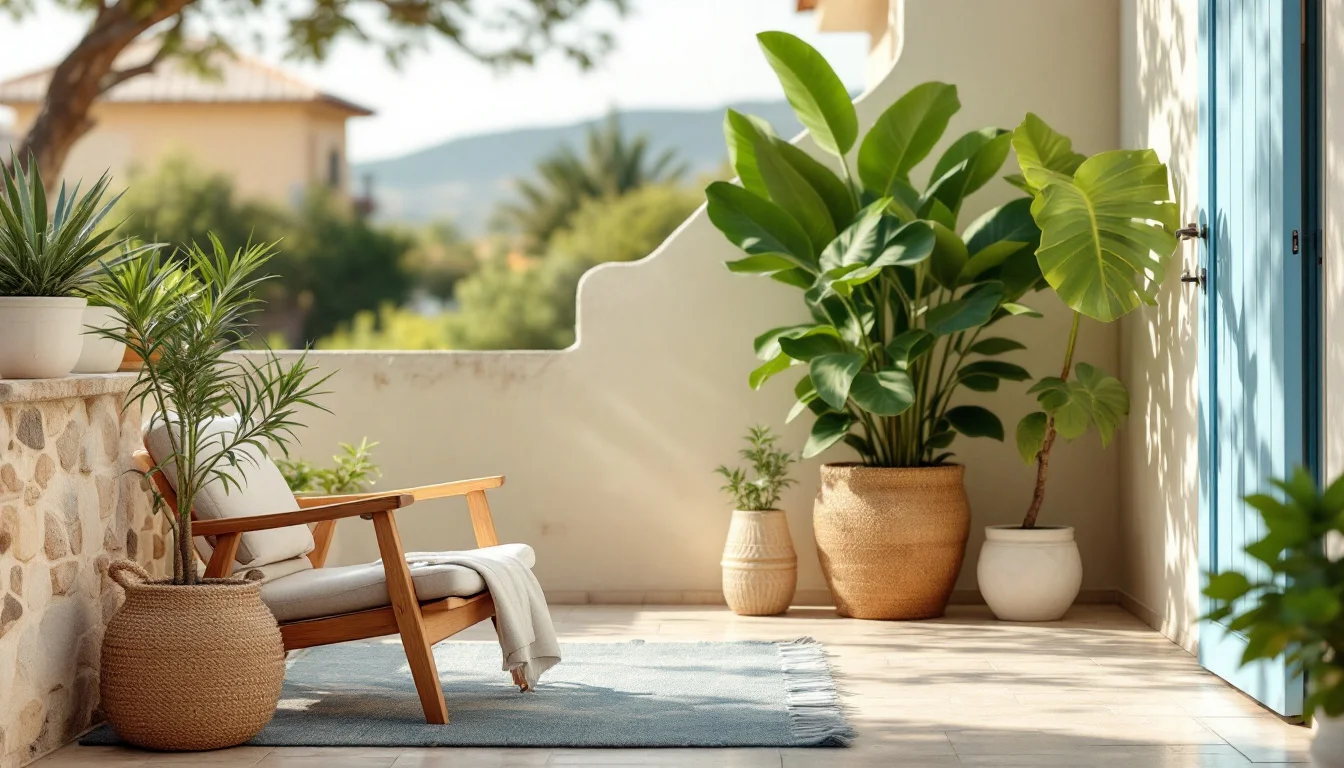
Following recent severe heatwaves, finding effective ways to cool a property has become an urgent priority across the Iberian Peninsula. Modern construction often traps heat, turning residential spaces into overheated spaces during peak daytime hours. Consequently, many residents are now actively looking at what they can do to mediate very hot days without instantly investing in an expensive air-conditioning unit.
The solution does not always require high-tech interventions or massive renovations. Instead, it relies on returning to the foundational principles of Mediterranean living. Passive cooling a Spanish home requires a strategic approach, combined with intelligent ventilation techniques to flush out residual warmth. By adopting a strict behavioral routine and implementing targeted architectural and biological defenses, maintaining a comfortable living environment becomes a manageable, low-energy endeavor.
Key Takeaways
- Adopting a daily purge-and-lockdown routine uses natural ventilation to flush out trapped heat.
- External shading elements are vastly more effective at stopping solar gain than internal blinds.
- Mopping floors with cool water naturally lowers interior temperatures through evaporative cooling.
- Targeted active cooling, such as using fans or short AC bursts, reduces discomfort on extreme days.
How Can I Cool My Spanish Home Using Traditional Routines?
Before investing in architectural modifications, residents must first master the behavioral habits that have protected local populations for centuries.
The Mechanics of Airflow and Evaporation
It is a common misconception that opening any window will instantly cool a stuffy room. In reality, simply opening a window does not help if there is no airflow. Stagnant air acts as an insulator, trapping warmth indoors. To combat this, opening windows on two opposite sides creates natural air circulation. Cross-ventilation is much more effective at drawing out stale air and introducing a fresh breeze.
Similarly, traditional cleaning methods serve a dual purpose in Mediterranean properties. Mopping terracotta or marble floors with cool water in the morning can noticeably lower a room's temperature through evaporation. As the water evaporates from the surface of the stone or clay, it absorbs heat from the surrounding air, naturally chilling the environment from the ground up. This evaporative principle extends outdoors as well. Because traditional terrace tiles retain daytime heat, laying down wooden or stone decking, or simply placing an outdoor rug over the tiles, makes the surface much more comfortable underfoot. Furthermore, lightly spraying the terrace in the evening or placing a shallow container of water outside utilizes evaporation to help with natural cooling before nightfall.
The Daily Operational Schedule
To maximize these physical effects, timing is everything. This requires transitioning from a "Heat Purge" to a "Heat Block" mentality. The following chronological routine translates disparate cooling tactics into a structured daily defense strategy:
- The Early Purge (06:00 - 09:00): Natural ventilation is more effective during cooler hours. Windows are opened in the shade, specifically targeting opposite sides of the home to establish a strong cross-breeze.
- The Evaporative Wash (09:00 - 09:30): The floors are mopped with cool water while the final morning breeze is still active, accelerating the evaporative cooling process across the terracotta tiles.
- The Total Lockdown (10:00 - 19:00): Windows are closed when the outside temperature rises. In Spanish villages, shutters are kept closed and curtains stay shut during the day — not to hide anything, but because keeping the sun outside works better than trying to cool an overheated living room later.
- The Night Flush: Only once the exterior temperature drops below the interior temperature are the opposite-facing windows reopened to begin the cycle again.
Do External Blinds Work Better Than Curtains?
Behavioral routines manage the air inside a home, but architectural defenses are required to manage the radiant heat attempting to enter. The core objective of passive design is to stop solar radiation before it penetrates the thermal envelope of the property.
Blocking Solar Gain at the Source
Once sunlight passes through the window pane, the solar radiation is already converted into heat inside the room. Awnings, shutters, adjustable sunshades, and external blinds significantly reduce solar gain. While internal shading helps slightly, the greatest effectiveness is achieved with external elements. While external blinds or sunshades may require a medium investment, the long-term payoff is a drastic reduction in thermal load and greater privacy. In contrast, internal window films and blinds are low-cost and quick to install, but they remain only moderately effective because the heat is already inside.
The Albedo Effect
Beyond windows, the roof of a Spanish property absorbs a significant amount of solar energy. Darker materials absorb this radiation, slowly transferring the heat through the ceiling into the living spaces below. Applying a white reflective roof coating with a high solar reflectance index (SRI) can help lower indoor temperatures. This exploits the albedo effect, where bright white surfaces reflect incoming visible and infrared radiation back into the atmosphere rather than absorbing it. Beyond reflective paints, implementing green roofs or ventilated roofs can further insulate the property and reduce heat peaks on the upper floor, which is typically one of the building's most thermally stressed surfaces.
When Should You Start Planting for Next Summer?
While structural elements block heat, living landscaping actively transforms the microclimate immediately surrounding a property. Anyone with a garden, or even a balcony, could have a far cheaper answer to cooling than an air-conditioning unit.
Timing the Transition
Landscaping for heat defense requires forward planning. Because the intense heat of summer can stunt root development, spring planting may leave new greenery too weak to survive the peak season. Autumn planting helps climbers and shrubs get settled ahead of spring, ensuring they are robust enough to provide essential shading and transpiration cooling by the time the next heatwaves arrive.
The Botanical Shield
Selecting the right species is just as important as the planting timeline. While broad-leaf vines — such as bougainvillea or grapevines — are excellent for covering pergolas, creating shaded buffer zones against south-facing walls, and giving outdoor spaces a classic Mediterranean look, certain biological traits can also help reflect heat.
When designing a protective botanical perimeter, consider integrating plants with pubescent (fuzzy) or glaucous (silver-blue) foliage. Silver-leaved plants in particular are well-adapted to intense sunlight, making them resilient additions to a sun-exposed garden.
How Should You Use AC and Fans on Extreme Days?
Even with a perfect combination of behavioral routines, external shading, and biological defenses, there are days when passive methods reach their absolute limit. During extended, stagnant heatwaves, mechanical assistance becomes a necessary compromise. However, this does not require abandoning energy efficiency entirely. Further, integrating larger upgrades like solar panels, heat pumps, and modern insulation can make a Spanish home more comfortable while permanently reducing energy bills.
Optimizing Mechanical Airflow
The fundamental rule of mechanical ventilation is that fans cool people, not rooms. They create a wind-chill effect that accelerates the evaporation of sweat from human skin. To enhance this effect, placing a shallow bowl of ice in front of a fan can provide a slightly cooler localized breeze.
Targeted Air Conditioning
When passive systems and fans are insufficient, air conditioning should be used as a targeted tool rather than a blanket solution for the entire property.
- Spatial Isolation: Instead of cooling the whole house, using air conditioning to cool just the bedroom for an estimated 30-60 minutes before going to sleep is significantly easier and more cost-effective.
- Temperature Discipline: When the unit is active, setting an air conditioner to a moderate temperature instead of its lowest setting still feels cool but uses less energy and keeps the temperature stable.
- Monoblock Solutions: In community buildings or historic Spanish streets where installing external AC units is impossible or prohibited, monoblock solutions (such as an Olimpia Splendid air conditioner without an external unit) offer a practical alternative. However, their efficiency still increases significantly if passive shading and ventilation measures remain a priority.
FAQ: Troubleshooting Your Passive Cooling Strategy
Which direction should my ceiling fan spin in summer?
Got a ceiling fan? Make sure it spins counterclockwise in the summer, so it pushes air straight down to create a cooling breeze.Do shutters alone work, or do I need awnings?
While shutters significantly reduce solar gain by stopping sunlight before it passes through the window pane, awnings and adjustable sunshades offer an excellent complement by shading the exterior walls and preventing the surrounding building envelope from heating up.How can I cool my bedroom at night without a fan?
If mechanical ventilation is unavailable or undesirable during sleep, hanging a wet sheet in a window on warm nights adds coolness through evaporation as the evening breeze passes through the damp fabric.Conclusion: The Shift from Survival to Resilience
Mastering the thermal dynamics of a Spanish property alters the fundamental relationship between a home and its environment. Rather than treating the intense Mediterranean climate as an enemy to be fought with brute mechanical force, these methods align the household with the natural rhythms of the day. Shifting toward a carefully planned defense of cross-ventilation, evaporative mechanics, and botanical shielding helps manage thermal comfort without excessive energy consumption. This approach not only reduces discomfort on all but the most extreme days, but represents a necessary evolution in how homes must operate in a warming climate.