Exposed Brick and Industrial Style: How to Achieve the Look Without Structural Risk
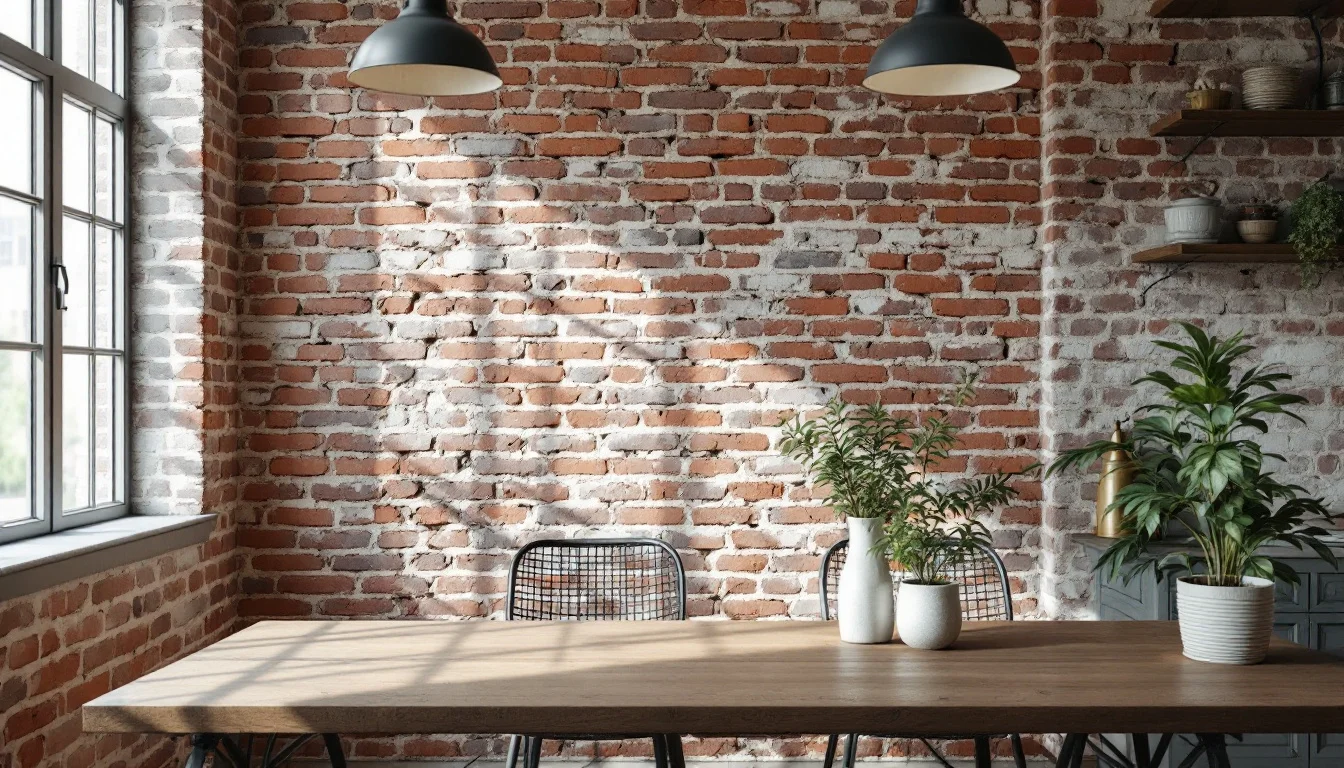
The "unfinished" exposed-brick aesthetic began as a practical and economical solution during an era when covering raw construction materials was an unaffordable luxury for industrial spaces. Over time, it was transformed into a coveted style statement, valued by contemporary designers and architects as a textural counterpoint to more polished, modern interiors. However, the romanticized ideal of achieving this neo-industrial look often clashes with the architectural realities of modifying existing structures. Exposing an interior brick wall is a direct structural intervention rather than a superficial decorative update. Proceeding without professional assessment risks undermining building stability, exposing low-quality masonry, and committing to routine maintenance such as sealing and joint repair. Successfully executing this design requires balancing rigorous architectural evaluation with continuous maintenance and thoughtful interior styling, ensuring the raw architectural features are both visually compelling and physically secure.
Key Takeaways
- Material uncertainty: Revealing original brick involves a gamble regarding the underlying quality and predetermined color of the hidden masonry.
- Breathable protection: Exposed surfaces demand specific, permeable sealants to prevent water damage while allowing the natural material to breathe.
- Aesthetic alternatives: When original masonry is unviable, options like legally reclaimed veneers or painted brick offer pathways to achieve the industrial aesthetic safely.
- Avoided emissions: Utilizing existing bricks acts as a carbon-saving measure by bypassing the high-temperature firing processes required for new structural ceramics.
The Structural Reality Check: Why Peeling Plaster is Not a DIY Job
Peeling back layers of modern plaster to reveal historical masonry carries implications that extend far beyond aesthetics.
The Role of Existing Coatings
When an original brick wall is discovered behind plaster during a renovation, professional evaluation prevents compromising the building's load-bearing integrity. The impulse to immediately strip the surface overlooks a critical engineering dynamic: coatings often serve to strengthen the brick walls. Layers of plaster and rendering frequently bind aging mortar and distribute structural loads. Peeling them off can cause serious problems in the supporting structure, potentially compromising the integrity of the entire building.The Gamble of Material Quality
Beyond structural safety, relying on hidden walls involves a significant aesthetic risk. Existing bricks may not be of the highest quality, and the condition of the material remains unknown until the plaster is removed.Furthermore, the color of the brick is predetermined by its original composition. If the discovered hue clashes with the intended room design, options are restricted. While applying paint can unify a palette, painting the masonry means losing the "natural" look that typically drives the desire for exposed brick. Therefore, any intervention must begin with cautious, localized testing rather than wholesale demolition.
Decision Matrix: Four Paths to the Exposed Brick Aesthetic
When an original wall is unavailable or structurally unsuitable, several aesthetic interventions can replicate or adapt the industrial style.
Comparing Aesthetic Interventions
The following matrix evaluates four approaches to the exposed brick aesthetic based on their practical implications:| Intervention | Structural Risk | Maintenance Effort | Surface Authenticity | Embodied Carbon Impact |
|---|---|---|---|---|
| Original Brick | High (plaster removal may weaken supports) | Continuous (brushing, sealing, repairing) | Exposed original face | Lowest (Avoided emissions) |
| Reclaimed Brick | Low (applied as a new veneer) | Moderate (pre-aged material still requires sealing) | Applied historical veneer | Low (Material reuse) |
| Painted White | Moderate (depends on underlying wall) | Low (paint acts as a protective layer) | Painted original face | Lowest (Avoided emissions) |
| Imitation Veneer | None | Minimal | Artificial surface (polyurethane/wallpaper) | High (New manufacturing) |
Navigating Sourcing and Adaptation
For property owners looking to extend brick surfaces for aesthetic coherence without risking structural damage, reclaimed masonry offers a pathway. However, when sourcing reclaimed old brick, the buyer must verify that the material comes from an authorized demolition. Ensuring the brick does not come from looting guarantees that it can be legally reused in residential or commercial projects.When the original brick is discovered but found to be in poor condition or of low quality, painting the exposed brick white serves as a valid alternative. The white paint acts as a protector and cleanses the surface. This approach offers a uniform and aseptic appearance while actively maintaining the original texture and pattern of the wall.
Conversely, imitation-brick veneer options—such as plates, wallpaper, or polyurethane mouldings—can look convincing to the eye and touch. Yet, these artificial alternatives fall short of the authentic beauty of old exposed brick. While basic synthetic options have become less favored, premium alternatives continue to be utilized in high-end interior design.
Designing the Space: Material Pairings for the Neo-Industrial Look
Achieving the neo-industrial look requires more than simply stripping a wall; it demands deliberate material curation to harmonize with the raw masonry. The visual weight of natural brick must be anchored by complementary finishes that echo its industrial origins without making the interior feel chaotic.
Defining the Neo-Industrial Palette
The neo-industrial style that brought exposed brick walls back into fashion relies on a specific hierarchy of materials. It combines these elements, in order of importance, to balance the visual warmth and ruggedness of the clay:- Cement surfaces: The primary pairing involves integrating cement, frequently utilizing its variants in microcement or polished cement for floors and architectural ledges. This creates a smooth, cool contrast to the rough brick.
- Dark metals: Iron structures and dark metals provide essential framing. Used in shelving, window casings, or visible structural beams, these metals reinforce the factory-inspired aesthetic.
- Textured upholstery: Leather is prioritized for seating to introduce organic warmth, with vintage or distressed leather pieces often incorporated to complement this design language.
Preserving the Finish: Maintenance, Sealing, and Joint Repair
Once the structural evaluation is complete and the design is finalized, the physical reality of living with exposed masonry sets in. Raw clay and mortar shed material and are highly susceptible to degradation if left untreated.
Initial Sealing and Protection
Brickwork must be treated once it is exposed, as otherwise the quality deteriorates rapidly under interior environmental conditions. The primary mechanism for preservation is the application of specialized surface treatments. Applying a breathable sealant to an exposed brick wall protects it from water damage while still letting the material breathe. This breathability is crucial, because specific sealants are formulated to allow trapped internal moisture to escape naturally, preventing the spalling and cracking that occurs when dampness is locked inside the masonry.Ongoing Care and Maintenance
Beyond the initial sealant application, exposed brickwork also requires dedicated maintenance, including brushing, cleaning and re-treating over its lifespan. Effective upkeep involves a systematic approach:- Dust removal: Clean regularly with a dry cloth or a vacuum cleaner with a soft brush to remove dust from the irregular texture.
- Stain management: When addressing spills or marks, strictly avoid acidic or abrasive products on stains, as these chemicals dissolve the mortar and pit the clay face.
- Component repair: Address structural degradation immediately by repairing promptly any bricks that deteriorate or detach.
- Mortar upkeep: Keep the joints between bricks in good condition. Repairing deteriorated joints is vital to avoid interior leaks or further material detachments.
The Hidden Sustainability of the 'Unfinished' Wall
While often pursued purely for its visual appeal, utilizing existing masonry represents a highly effective decarbonization tactic in building renovation.
The Carbon Burden of New Ceramics
The environmental impact of architectural materials is heavily dictated by their manufacturing processes. According to data from the European Union's LIFE project on climate change adaptation in the structural ceramics industry (LIFE09-ENV-ES-000435), the manufacture of ceramics for the construction industry—encompassing brick masonry, stoneware, and roof tiles—entails firing clay at extreme temperatures up to 1,300 ºC. This thermal requirement results in a massive carbon footprint for newly minted building materials.Industrial Offsetting Through Reuse
Efforts are underway to mitigate this environmental cost. For instance, the EU LIFE project demonstrated that its LASERFIRING prototype could reduce the firing temperature from 1,300 ºC to 900 ºC. This was projected to achieve a reduction of 40% in CO2 emissions in the best cases and 10% in the worst cases. Based on this prototype, the project also developed theoretical estimates suggesting that scaling up the technology could lead to significant, albeit highly variable, annual reductions in CO2 emissions.However, the most sustainable building material remains the one that already exists. By choosing to expose hidden walls or meticulously source legally reclaimed bricks, renovators bypass the energy-intensive firing process entirely. The neo-industrial aesthetic, therefore, functions as a strategy for avoiding embodied emissions, repurposing high-energy materials rather than demanding the continuous, emissions-heavy production of new ceramics. It should be noted, however, that this reuse benefit is partially offset by the environmental footprint of the chemical sealants and continuous cleaning regimes required to maintain exposed masonry indoors.
Frequently Asked Questions (FAQ)
Does leaving interior masonry exposed offer any functional benefits beyond styling?
Yes. Interior exposed brick walls offer practical advantages for home environments. Primarily, they provide thermal mass and acoustic damping, helping to regulate interior temperature fluctuations and reduce sound transmission due to their density. They also contribute an attractive, historically rich aesthetic to a space.Will an exposed masonry wall degrade quickly in a modern home?
Without treatment, raw brick deteriorates rapidly in interior conditions. However, when properly sealed and re-treated on a regular maintenance cycle, these surfaces exhibit strong durability and can preserve their visual charm and structural integrity for decades.Is the bare clay look adaptable to different room designs?
The material offers significant versatility. Depending on the surrounding finishes, the raw texture is adaptable from rustic farmhouse interiors to sharp, avant-garde spaces, allowing the masonry to anchor diverse design preferences.Conclusion: The Evolution of the Industrial Relic
The integration of historical masonry into modern interiors highlights a fundamental shift in how architectural honesty is valued. By bringing the hidden structural skeleton of a building to the forefront, interior design moves away from synthetic perfection toward a deep appreciation for raw engineering and historical fabric. As environmental pressures mount regarding material manufacturing and embodied carbon, tightening building regulations may increasingly favor the economics of retaining existing walls over the emissions-heavy production of new materials. The exposed wall stands today as a highly curated architectural feature that bridges the gap between heritage preservation and forward-thinking sustainability, provided it receives the technical respect and maintenance it demands.